Žrnov – Serbian Avalon


Mountain Avala, located near Belgrade, was a significant strategic position during the long history of the Balkans and the city of Belgrade. The first mention of Avala is most likely “The Argonautica”, the Greek epic poem written by Apollonius Rhodius in the 3rd century BC who says that during their quest for the Golden Fleece Argonauts reached the river Istar (Danube) and the mountain Angurion in which some sees mountain Avala.
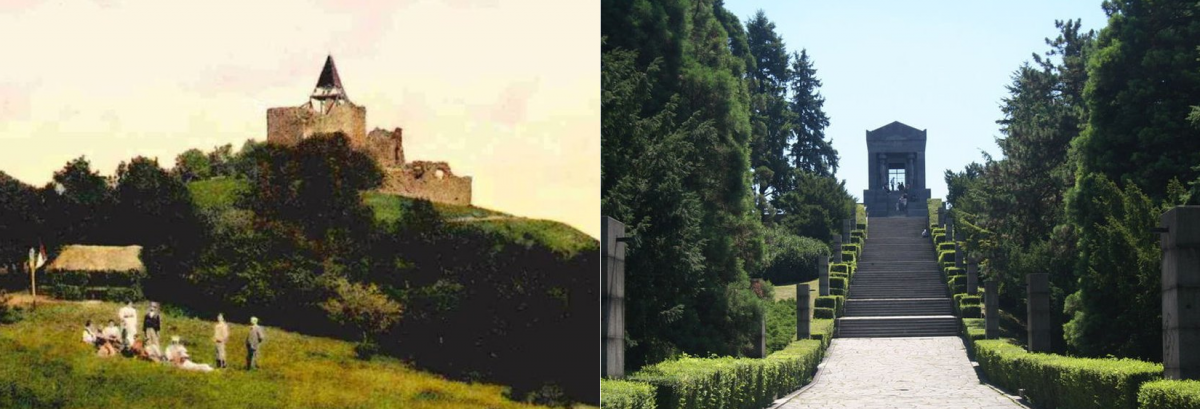
Much later, at the highest peak of Avala, at the site of the former Celtic observation post, the Romans raised a military fortification, and on its foundations a Serbian medieval city, called Žrnov or Žrnovan, was built. The name of this medieval city is probably derived from the Serbian word “žrvanj” (grindstone), which in the Middle Ages was used for grinding the ore that Avala is rich with.
In folk`s imagination, this ancient spot with the fortress surrounding it, as well as the name Avala, bear the resemblance to the mythical Avalon, so Žrnov is often called Serbian Avalon. But the name Avala has nothing to do with the Celtic name. Having conquered Žrnov in the 15th century, the Turks called him “havala” (watchtower) and soon the whole mountain was named after it.
The fortress lost its significance after the definitive conquest of Serbia and Belgrade by the Turks in 16th century and since the 18th century it was completely abandoned. When in 1934 King Aleksandar Karadjordjevic decided to bring Žrnov down, it was still relatively well preserved and his decision was and still is the subject of many controversies and theories. Between 1934 and 1938, at the site of the former medieval city Žrnov, the monument to the Unknown Hero, a Word War I memorial, designed by Ivan Mestrovic was built.